
"geographical environment"
2000 article(s) found

A brief introduction to the cultivation of Ecuadorian boutique coffee beans with balanced and refreshing taste, geographical location, climate and altitude
When Thomas and the crew landed on the island, they were frantically looking for water and were so thirsty that they squeezed juice from the fat leaves of the cactus to drink. At last a source of water was found in a rocky gully. Thomas attributed it to the gift of God, because it was good Friday, and they had piously celebrated mass before they set out in search of water. But Thomas will never

Honduras San Juan Xido boutique coffee mellow nutty flavor
Boutique coffee (specialty coffee) is also called specialty coffee selection coffee. It refers to coffee made from a small number of raw beans with excellent taste grown in an ideal geographical environment. Depending on the special soil and climatic conditions in which they grow, they have outstanding flavor. After strict selection and classification, this kind of coffee is hard in texture, rich in taste and stylish.

A brief introduction to the cultivation of Panamanian Flower Butterfly Fine Coffee beans, Geographic location, Climate and altitude
Panama is a small country located in the center of the American continent. The waters of the Atlantic and Pacific oceans flood its beaches. Panama is located at 9 degrees north latitude, the meeting point of the Central Mountains, where Mount Baru, one of the highest volcanoes in Central America, is located. Baru volcano has an altitude of more than 11400 feet, and the land around it is rich in nutritious and fertile soil, which is unique to Panama.
La Minita Laminita
Country: Indonesia Name: Iskandar Origin: Lake Toba, Lintong,Sumatra Particle Size: 18 mesh Processing Method: Semi-washed Elevation: 1000-1800 m Variety: Arabica Iskandar Coffee is produced in Medan City, North Sumatra Province, near Lake Toba. Through La Minita's exquisite solarization techniques and three times

A brief introduction to the cultivation of fine coffee beans in the jadeite manor with light cocoa flavor, geographical location, climate and altitude
Panama has been among the world's best coffee producers since three years ago, surprising countries that have been in the vanguard of developer production for many years. Panamanian coffee is mainly produced in the west near the Costa Rican border, producing the best washed coffee. Compared with coffee beans grown at low and middle elevations, the low temperature and stable climate in the high elevations of Panama

A brief introduction to the cultivation of bright and juicy Yega Xuefei boutique coffee beans, geographical location, climate and altitude
Compared with the ordinary washed G2 Chevy, its taste is more clear and flawless, with a charming girl smile, bright, delicate citric acid, elegant taste, fresh lemon, jasmine, ginger and other flowers with a hint of honey make people relaxed and happy all day. The high-altitude growth environment and the excellent genes of local native species have created a bright and succulent mouth selected by the royal family.
Coffee knowledge what is fine coffee? Specialty coffee
What is boutique coffee? Boutique coffee (specialty coffee) is also called specialty coffee selection coffee. It refers to coffee made from a small number of raw beans with excellent taste grown in an ideal geographical environment. Depending on the special soil and climatic conditions in which they grow, they have outstanding flavor. Source of Fine Coffee: the term Fine Coffee was first used by Er

A brief introduction to the cultivation of fine coffee beans in the Jadeite Manor, the king of performance-to-price ratio, geographical location, climate and altitude.
The BOQUETE region of Panama, located in the province of CHIRIQUI on the border with Costa Rica, is home to Panama's famous GEISHA coffee and is famous for producing high-quality Arabica coffee. Tedman & TEDMAN&MACINTYRE ESTATE Manor in the mountains 4000 feet above sea level in Poggett, originated in Panama
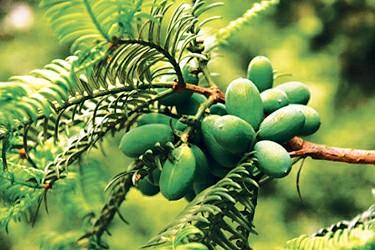
The planting conditions of coffee trees what kind of geographical environment is conducive to coffee planting and the introduction of coffee trees
Coffee tree coffee (Xoffea arabica Linn) coffee is a perennial evergreen shrub or small tree of Rubiaceae. It is a horticultural perennial cash crop with the characteristics of fast growth, high yield, high value and wide market. Wild coffee trees can grow to 5 to 10 meters high, but coffee trees planted on manors are often cut to less than 2 meters in order to increase fruit and facilitate harvesting.

Raminita Tarrazu Manor in Tarasu, Costa Rica
Planting height of Tarrazu Manor Laminita La Minita in Tarasu, Costa Rica: 1200-1700 (m) production season: November to March Cup test results: full-bodied beans, rich aroma, coffee characteristics: this area is a world-famous producing area, the main feature is that the high seafood area creates an incomparable perfect taste. Raminita La Minita Raminita

Description of planting Environment and Flavor of Brazilian Bahia Coffee Bean Market
Brazilian Bahia coffee bean market situation planting environment flavor description this place belongs to the tropical dry and wet season climate, the state long-term drought, geographically divided into three parts: Atlantic coastal forest area, around Bahia Bay area and Bahia inland plateau region, the major cities are: El Salvador, Ferradi Santa Ana, Victoria, Itabuna, Ilius, Ruazelu and so on.

Introduction of taste treatment method for description of flavor in altitude environment of Colombian coffee beans
Colombian coffee bean planting altitude environment flavor description taste treatment method Colombian coffee is located in the Andes, where the climate is mild and humid, good rainfall makes it very suitable for coffee growth, according to the geographical location is divided into northern, central and southern producing areas, in which there are six high-quality coffee producing areas in Colombia, Sierra

Coffee shop opening preparation process coffee shop start-up
First, capital planning: 1. Information collection: total funds, total sources, time constraints of capital turnover; 2. Preparation of investment estimates: start-up cost estimates, operating expenses estimates, investment income estimates; 3. List investment plan II. Market positioning: 1. Information collection: geographical environment, cultural environment, business environment, competitive environment; 2. Analysis of environmental conditions: strengths and weaknesses

What is the geographical location of coffee cultivation in Kenya? Water from the Kirinyaga treatment plant in Kangunu, Kenya
Professional coffee knowledge exchange more coffee bean information please follow the coffee workshop (Wechat official account cafe_style) where is the location of coffee cultivation in Kenya? Description of the flavor of washed AA coffee from the Kangunu Kirinyaga treatment plant in Kenya? The producing area of Kirinyaga, Kangunu, comes from Embu, a community south of Nairobi, at an altitude of 1600-1700. According to the cup survey of the bean merchant

A brief introduction to the cultivation of fine coffee beans in the jadeite manor with bright taste, geographical location, climate and altitude
What is more surprising is that on the basis of very excellent quality, the very people-friendly price of this coffee bean makes the performance-to-price ratio of this coffee bean. What is special about this coffee bean is that it is made up of three varieties, of which 40% are rosy summer varieties, giving this coffee a distinct rosy summer flavor. According to the information obtained after consulting, due to the historical reasons of the manor, in order to pursue property at that time

A brief introduction to the planting of fine coffee beans in the Jadeite Manor with strong sweetness, geographical location, climate and altitude
What is more surprising is that on the basis of very excellent quality, the very people-friendly price of this coffee bean makes the performance-to-price ratio of this coffee bean. What is special about this coffee bean is that it is made up of three varieties, of which 40% are rosy summer varieties, giving this coffee a distinct rosy summer flavor. According to the information obtained after consulting, due to the historical reasons of the manor, in order to pursue property at that time

A brief introduction to the planting situation of Brazilian Hilado boutique coffee beans, geographical location, climate and altitude
In 2005, due to the first right designated by the Serrado Coffee region in the field of origin certification, the coffee met the standard in this area of production, called Serrado, and claimed that it was recognized. Like wine, coffee producing areas only allow the successful acquisition of world-class coffee regions with limited quality identity, Serrado's name is now known. The Serrado title is called. You must pass the certification.
Introduction to Raminita La Minita Coffee
Country: Indonesia name: Raminita Lintong,Sumatra production area: Lake Toba, Lintong,Sumatra Particle size: 18 mesh treatment: semi-washed altitude: 1000-1800 m Variety: Arabica Ikanda (Iskandar) Coffee is produced in Medan, North Sumatra, near Lake Lake Toba. Through La minita's exquisite sun technology and three times

The difference between Hawaiian kona coffee and blue mountain coffee_Hawaii kona coffee growing environment
Professional coffee knowledge exchange More coffee bean information Please pay attention to coffee workshop (Weixin Official Accounts cafe_style) If Blue Mountain Coffee is the best actor in the eyes of coffee fans, Hawaii Kona Coffee is undoubtedly the generation of Audrey in the coffee industry. Hepburn! The reason for this is that Hawaii's Kona coffee beans have the most perfect appearance, its fruit is unusually full, and

A brief introduction to the planting situation, geographical location, climate and altitude of the fragrant coffee beans from Hilado, Brazil.
Unlike in the past, Brazil's economy is now less dependent on coffee, which accounts for only 8% to 10% of GDP. Before World War II, Brazil accounted for 50% or more of the world's coffee production, and now it is close to 30%. But the country's impact on the world's coffee, especially on coffee prices, is significant. For example, two frost disasters in 1994 caused global coffee.